
In collaboration with the Association for Interreligious/Interfaith Studies (AIIS), this program brings together a small cohort of exceptional emerging scholars for mentorship, scholarly development, peer community, and field-building. Selected scholars work closely with distinguished senior scholars throughout the academic year and become part of a multi-generational network shaping the future of Interreligious Studies.
The details below describe the 2026–2027 fellowship. Terms for 2027–2028 will be confirmed in the call for applications.
Three signature gatherings
The fellowship brings scholars together through three major engagements during the academic year.

Virtual community
A sustained online cohort engagement of approximately 3 hours per month, including group dialogue, research exchange, peer coaching, and 2–3 one-on-one mentorship sessions with the senior scholars.
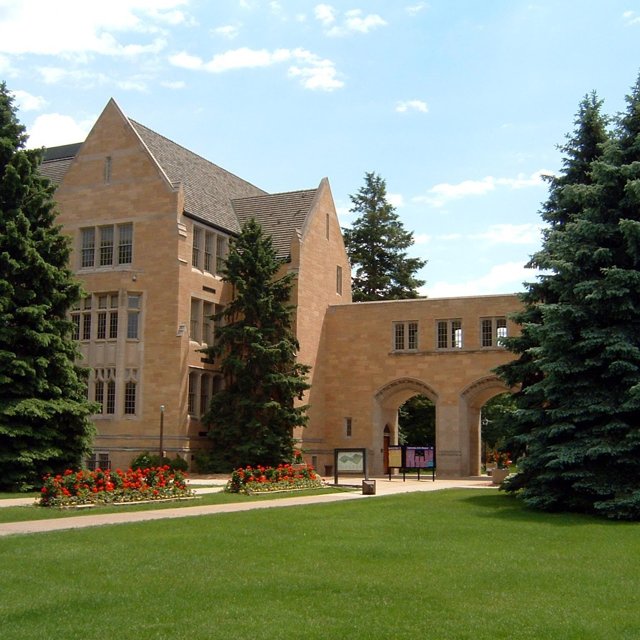
UST residency
A four-day immersive experience at the University of St. Thomas (March 15–18, 2027) featuring public- and academic-facing presentations, intensive cohort workshops, a public workshop led by the senior scholars, community engagement opportunities, and pedagogy-focused learning. All travel, lodging, and meals are covered.
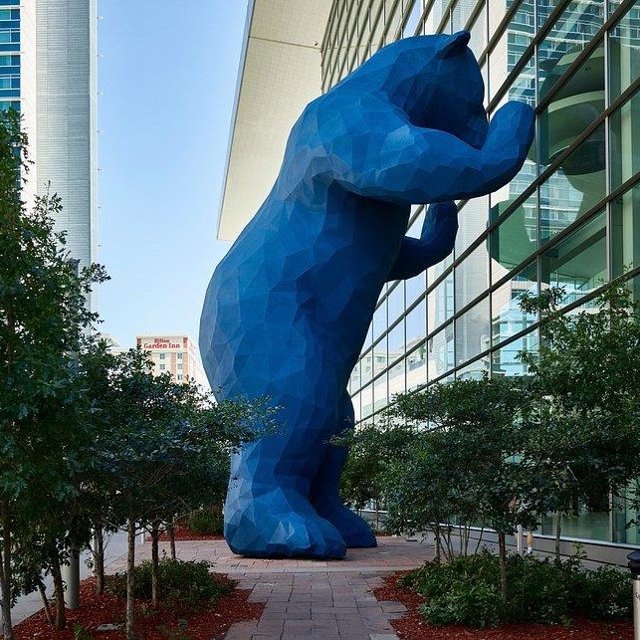
AAR & AIIS conference
A national gathering in Denver (November 21–24, 2026) where scholars attend AIIS and AAR events, use their stipend to support travel and registration, and, in collaboration with AIIS, are supported in identifying an appropriate venue to share their work with a scholarly audience while gaining professional visibility and field connections.
What scholars receive
Financial support
- $2,000 unrestricted stipend to use however it helps you most (e.g., AAR conference travel and registration, research materials, professional development, childcare, living expenses; no receipts required)
- Fully funded 4-day residency at the University of St. Thomas, including travel, lodging, and meals
Mentorship and community
- Year-long mentorship from senior scholar(s) through a blend of virtual community engagement, individual sessions, and ongoing feedback
- Supportive peer cohort of emerging scholars committed to shared learning and field-building
- Regular online gatherings for research exchange, professional development, and collaborative reflection
Professional development and visibility
- Supported opportunity to share research with a scholarly audience at the AAR, with presentation venues identified in collaboration with AIIS
- Opportunity to present work to public, community, and academic audiences during the UST residency
- Development of professional skills in pedagogy, peer-coaching, public scholarship, and collaborative academic practice, along with ongoing visibility and the cultivation of a scholarly peer network
- Professional designation as “Jay Phillips Center Scholar in Interreligious Studies (2026–2027)”
Scholarly outcomes
- Optional opportunities to contribute to collaborative scholarly outputs (e.g., edited volume, special issue), emerging organically from cohort interests
- Short public-facing essay or blog post for the JPC website or other venue
- Ongoing feedback on individual research projects and manuscript mentorship with the executive editor of the Journal of Interreligious Studies, supporting scholars in developing submission-ready work for peer review
The year at a glance
Fall 2026
- Virtual community engagement (approx. 3 hours per month), including cohort dialogue, peer coaching, research exchange, and professional development
- AAR/AIIS Annual Meeting (Denver, November 21–24): scholars attend, using their stipend to support travel and registration; in collaboration with AIIS, appropriate opportunities are identified for scholars to share their work with a scholarly audience
- Residency planning for the four-day spring residency at the University of St. Thomas
Spring 2027
- Virtual community engagement continues (approx. 3 hours per month)
- UST residency (March 15–18, 2027): public- and academic-facing scholar presentations, cohort workshops, pedagogy development, a public workshop led by the senior scholars, and community engagement
- Public-facing blog post or short essay for the JPC website
- JPC Scholars alumni network, including an invitation, not a requirement, to participate in the 2027 AAR/AIIS as alumni
Scholar commitments
Selected scholars will:
- Participate regularly in the virtual community and mentorship sessions (approx. 3 hours per month)
- Present their work and participate actively in peer feedback
- Attend the AAR/AIIS Annual Meeting (Denver, November 2026)
- Attend the 4-day residency at the University of St. Thomas (March 15–18, 2027)
- Use the stipend to support travel and registration
- With AIIS, identify appropriate scholarly presentation opportunities
- Produce a short public-facing piece (blog post or essay)
- Contribute to the JPC community as emerging scholar-leaders for future cohorts, as able
Why apply
For your scholarship
- Work closely with established leaders in the field
- Receive sustained feedback on your research
- Develop professional skills in pedagogy, peer-coaching, collaborative academic practice, and public scholarship
- Distinguish yourself in a competitive academic job market
For your career
- A credential signaling rigorous selection and mentorship
- National visibility through AAR/AIIS participation and JPC platforms
- A network of established and emerging IRS scholars
- A place at the center of an emerging discipline
For the field
- Strengthen IRS as a coherent academic discipline
- Connect scholarship with practitioner communities
- Address the isolation many emerging scholars experience
- Build infrastructure for the next generation
For community
- Join a supportive peer cohort and form lasting relationships
- Build a multi-generational scholarly network that extends beyond the fellowship year
- Become part of the growing JPC network
- Pay it forward by joining future cohorts at the AAR and AIIS meetings